The ABCs of Real Estate: Stanley the snail knows all about buildings. He carries one.

The ABCs of Real Estate
Stanley the snail knows all about buildings. He carries one.
FundOpsHQ

This book belongs to

Appraisal
An appraisal is an expert's careful estimate of what a building is worth.
1
Basis
Your basis is what a building really cost you, all in, including the repairs.
2
Cap rate
Divide a building's yearly income by its price, and you get the cap rate. Five on a hundred is a cap rate of 5%.
3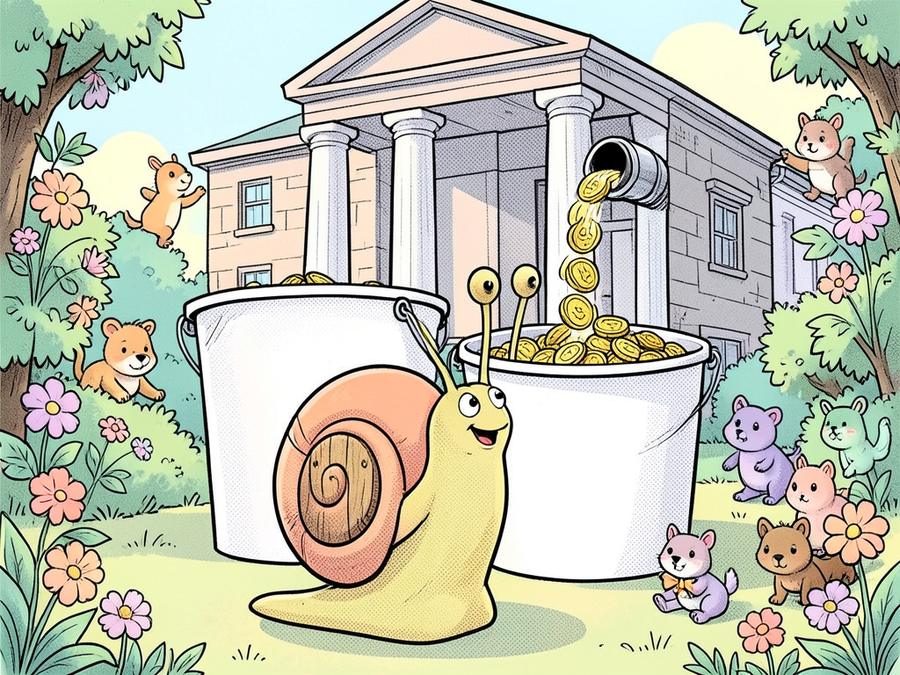
Debt service coverage
Divide a building's income by its loan payments. Lenders commonly look for about 1.25, so there is room to spare.
4
Equity
Equity is the part of a building the owners have paid for themselves. The rest is the loan.
5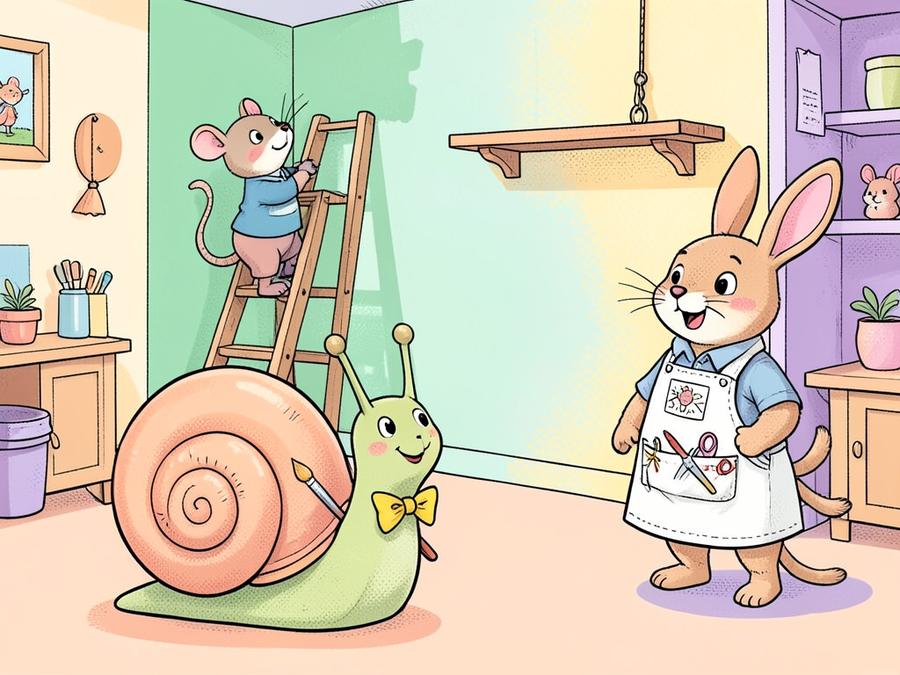
Fit-out
A fit-out gets a space ready for its tenant, with paint, shelves and lights.
6
Ground lease
With a ground lease, you own the building and rent the land underneath it for a very long time.
7
Hold period
The hold period is how long an owner plans to keep a building. Stanley does not rush.
8
Income
A building's income is mostly the rent its tenants pay.
9
Joint venture
In a joint venture, two owners share one building and agree how decisions are made.
10
Keys
Every new tenant gets a set of keys. It is a small and happy moment.
11
Lease
A lease is an agreement that lets a tenant use a space for a set time, in return for rent.
12
Mortgage
A mortgage is a loan with a building standing behind it. Bit by bit, it gets paid back.
13
Net operating income
Net operating income is what a building earns after its running costs and before its loan.
14
Occupancy
Occupancy is how much of a building is rented. Lights on in every window is a lovely thing to see.
15
Property manager
A property manager looks after a building day to day. They fix the taps and know the tenants' names.
16
Quiet enjoyment
Quiet enjoyment is a real legal term. It means tenants have the right to use their space without being disturbed.
17
Rent roll
A rent roll lists who rents what, for how much and until when.
18
Stabilized
A building is stabilized when it is rented up and earning as planned.
19
Triple net
In a triple net lease, the tenant pays the rent and also the taxes, insurance and upkeep.
20
Upkeep
Roofs, pipes and paint all need looking after. Good upkeep keeps a building good for a long time.
21
Value-add
A value-add owner buys a building that needs care, fixes it up and makes it a better place to be.
22
WALT
WALT stands for weighted average lease term. It tells you how long a building's leases have left, on average.
23
eXit cap rate
The exit cap rate is the cap rate an owner expects when selling, years from now.
24
Yield on cost
Divide a new building's income by what it cost to build. That is the yield on cost.
25
Zzz
Stanley never has far to go at bedtime. He is already home.
26
A note
The words in this book are real ones, explained simply. The animals and examples are made up, and real terms vary from fund to fund. It is not advice. The pictures were drawn with an AI image model and checked by hand.
Free from FundOpsHQ · fundopshq.com/books

More in this style

The ABCs of Private Equity
Brock the badger helps small companies grow
FundOpsHQ

The ABCs of Private Credit
Olive the owl lends money and looks after it carefully
FundOpsHQ

The ABCs of Venture Capital
Sadie the squirrel plants small ideas and helps them grow
FundOpsHQ

The ABCs of Infrastructure
Bea the beaver builds what a town relies on
FundOpsHQ

Tilda and the Orchard
A story about patient money
FundOpsHQ

The First Yes
A story about starting a fund
FundOpsHQ