Learn · Track · 10 steps
Private credit 101
How private credit works, in ten steps: from what it is to how investors in a credit fund are paid. Each step links to its glossary entry, with a short video or a picture book where we have one.
0 of 10 read
1.What private credit is
Investment firms rather than banks lend directly to companies and hold the loans in funds, a market that has grown fast as banks pulled back.
Private credit: Private credit is lending by investment firms rather than banks, directly to companies, with the loans held in funds rather than traded on markets.
2.Direct lending and the unitranche
A unitranche puts senior and junior debt into one loan with one blended rate, usually from one direct lender or a small group, which makes borrowing quicker and simpler for a company.
Unitranche: A unitranche loan combines senior and junior debt into one loan with a single blended interest rate, usually from one direct lender or a small group.
3.Senior and subordinated debt
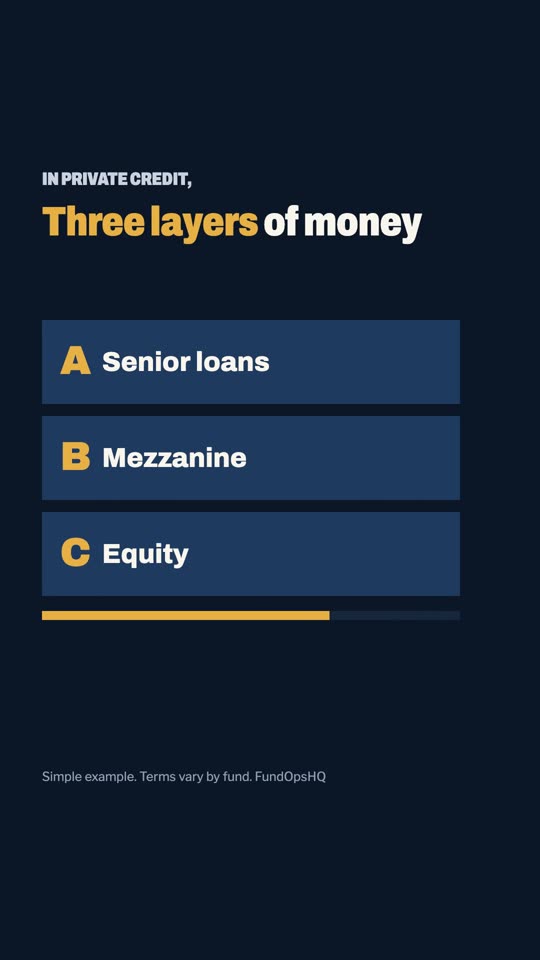
Debt that ranks lower carries more risk, so junior lenders such as mezzanine lenders usually earn a higher rate for standing behind the senior loans.
Mezzanine: Mezzanine debt ranks below senior loans and above equity, so it is riskier. It usually pays a higher interest rate, often partly paid in kind, sometimes with equity warrants.
Also: Unitranche
4.What a lender earns
Many private loans pay a floating rate, a benchmark plus a spread, so lenders’ income moves with interest rates, and an original issue discount can add to the return beyond the rate.
Floating rate and spread: A floating rate is an interest rate that resets at set intervals to a short-term benchmark, such as SOFR, plus an add-on called the spread or margin, agreed when the loan is made.
5.Covenants
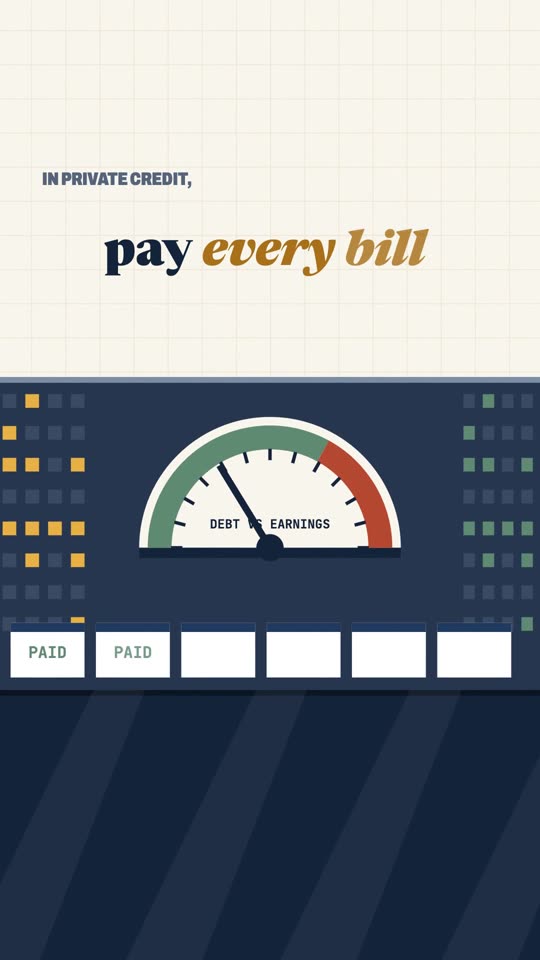
Covenants give lenders an early warning and a seat at the table, and a borrower can be in default even with every payment made on time.
Covenant: A covenant is a promise in a loan agreement, beyond paying interest and principal, such as keeping debt below a set multiple of earnings.
6.Asset-based finance
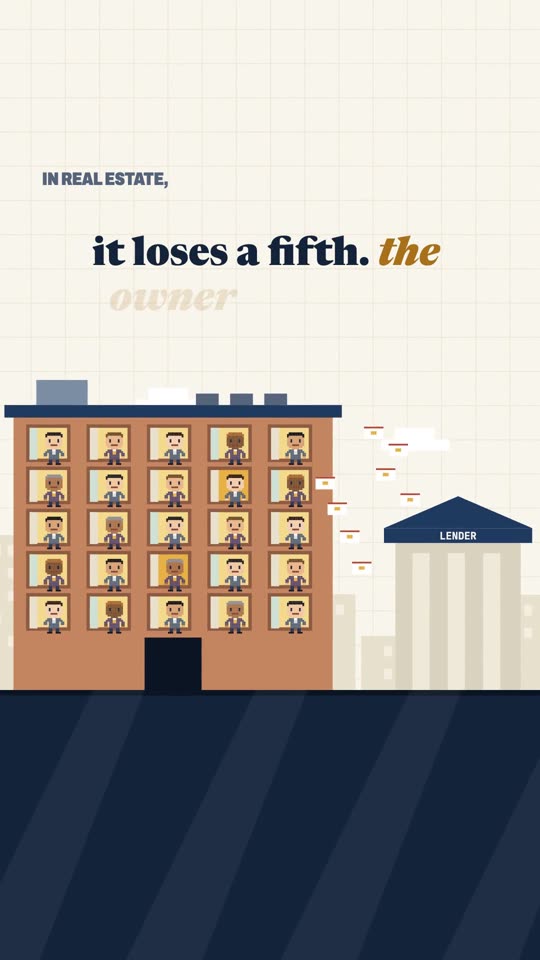
Some loans are backed by pools of assets that produce their own cash flows rather than by one company’s earnings, and the higher a loan is against what its assets are worth, the less room there is if values fall.
Asset-based finance: Asset-based finance is private lending backed by pools of assets that produce their own cash flows, such as auto loans, equipment leases or receivables, rather than by one company’s earnings.
7.Default and recovery
A lender’s loss depends on how often borrowers default and how much comes back, and interest paid in kind can ease a borrower’s cash pinch today while its growing balance worries lenders later.
Default and recovery: A default is a borrower’s failure to meet a loan’s terms, such as missing a payment or breaking a covenant. Recovery is the share of what is owed that the lender gets back afterward.
8.CLOs
A CLO pools many leveraged loans and sells slices with different levels of risk, and because CLOs are among the biggest buyers of those loans, their demand moves lending markets.
CLO: A CLO, or collateralized loan obligation, pools hundreds of leveraged loans and funds them by selling slices of debt and equity with different levels of risk.
9.NAV loans and fund finance
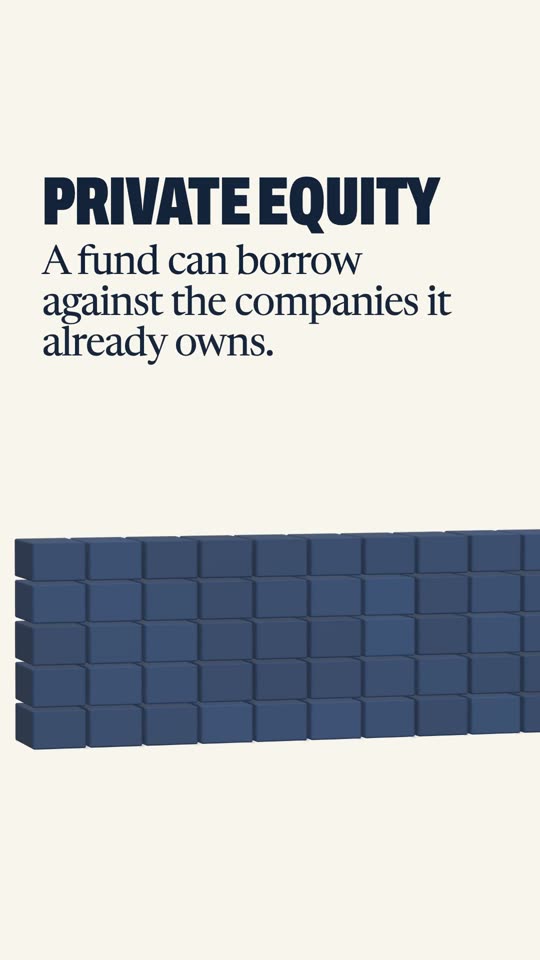
Funds borrow too, against investments they own or against investors’ unfunded commitments, and investors look closely at how and why a manager uses that debt.
NAV loan: A NAV loan is borrowing by a fund against the value of the investments it already owns, rather than against investors’ unfunded commitments.
Also: Subscription line
10.How investors in a credit fund are paid
Loans earn interest, and vehicles such as BDCs typically pass most of their income to shareholders, while evergreen and interval funds limit how much investors can take out at once.
BDC: A BDC, or business development company, is a U.S. investment company that lends to or invests in private mid-sized businesses, and typically passes most of its income to shareholders.
Also: Evergreen fund, Interval fund




Check yourself
0 of 5 answered
5 questions on the track. Pick an answer to see why.
Definitions, not advice. Your progress and quiz answers are kept in this browser only; nothing is sent anywhere.
See an error, or a step we should add?