Learn · Track · 10 steps
Private markets 101
The front door to private markets, in ten steps: what they are, who is in them, the main kinds of fund and how investors put money in and get it back. Each step links to its glossary entry, with a short video or a picture book where we have one.
0 of 10 read
1.What private markets are
Private markets hold companies and assets that do not trade on an exchange, so money in them is usually tied up for years and valued by the manager rather than priced by a market every day.
Private markets: Private markets are investments in companies and assets that do not trade on a public exchange, such as private equity, venture capital, private credit, real estate and infrastructure, usually held through funds.
Also: Accredited investor
2.GPs and LPs
The general partner runs the fund and makes its investment decisions, while limited partners such as pensions and family offices supply most of the money and take no part in running it.
General partner: A general partner, or GP, is the firm that runs a fund, makes its investment decisions and carries legal responsibility for it. The term is also used for the manager.
Also: Limited partner
3.The main asset classes
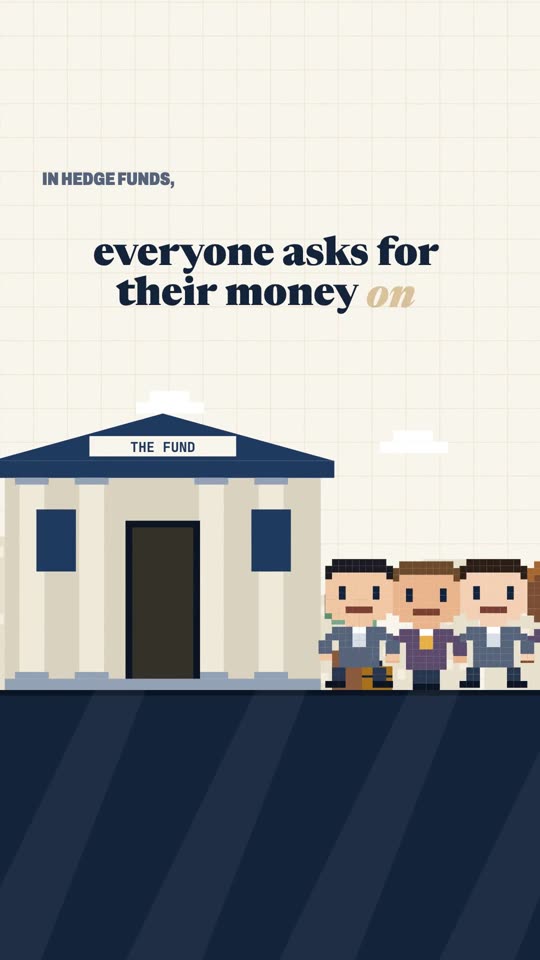
Private equity buys companies, venture capital backs young ones, private credit lends to them, real estate and infrastructure own property and essential assets, and secondaries buy existing fund stakes; hedge funds, the liquid cousin, mostly hold traded securities and let investors out more often.
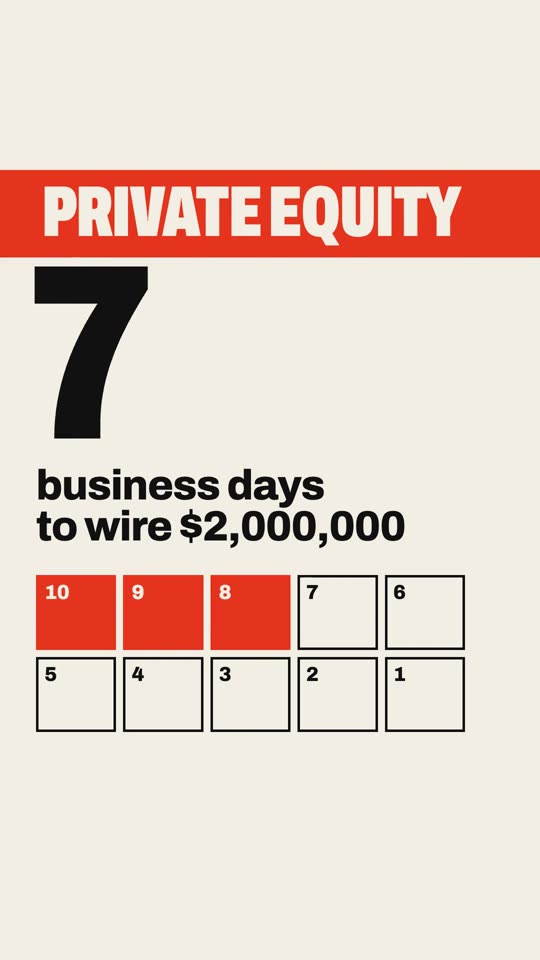
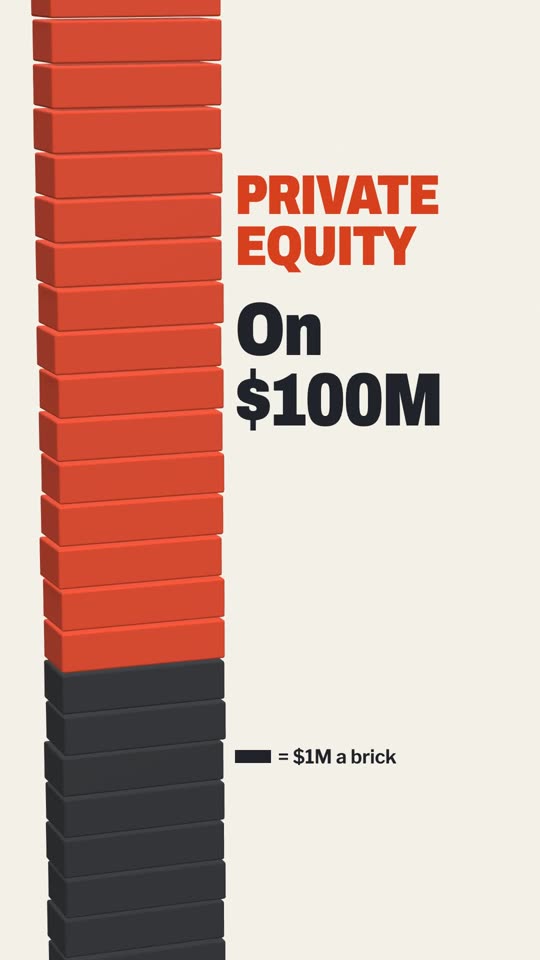
Private equity: Private equity is investment in the shares of companies that are not listed on a stock exchange, most often through funds that buy companies, work to improve them and sell them several years later.
Also: Venture capital, Private credit, Real estate, Infrastructure
4.Closed-end and evergreen funds
Most private funds raise money once and pay it back as they sell over about a decade, while an evergreen fund has no end date and lets investors in and out on a schedule, within limits.
Evergreen fund: An evergreen fund has no fixed end date and lets investors join and redeem on a regular schedule, often quarterly, instead of locking money up for a decade.
Also: Interval fund, Redemption gate
5.Commitments and capital calls
Investors promise a sum up front and the fund draws it in stages as it finds investments, so they have to keep cash ready, and a missed call can carry penalties.
Commitment: A commitment is the total amount an investor legally agrees to provide to a fund, which the manager draws down gradually through capital calls.
Also: Capital call
6.Fees and carry
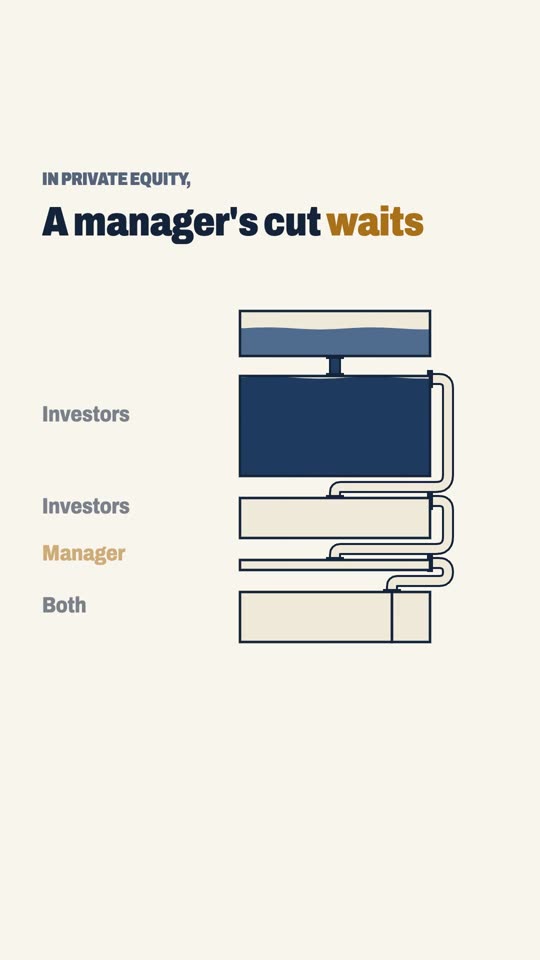
The manager earns a yearly fee to run the fund whether or not it makes money, plus carried interest, a share of the profits paid only after investors get their money back and clear the preferred return.
Management fee: The management fee is the annual charge investors pay a manager to run a fund, often 1% to 2% of committed capital during the investment period.
Also: Carried interest
7.How investors get paid
Investors are paid as the fund sells what it holds, in the order the waterfall sets, and DPI shows how much cash has actually come back against what they paid in.
Distribution waterfall: A distribution waterfall is the order a fund pays out proceeds: investors’ capital, then the preferred return, then the manager’s catch-up, then the split of what remains.
Also: DPI, Distribution in kind
8.The J-curve
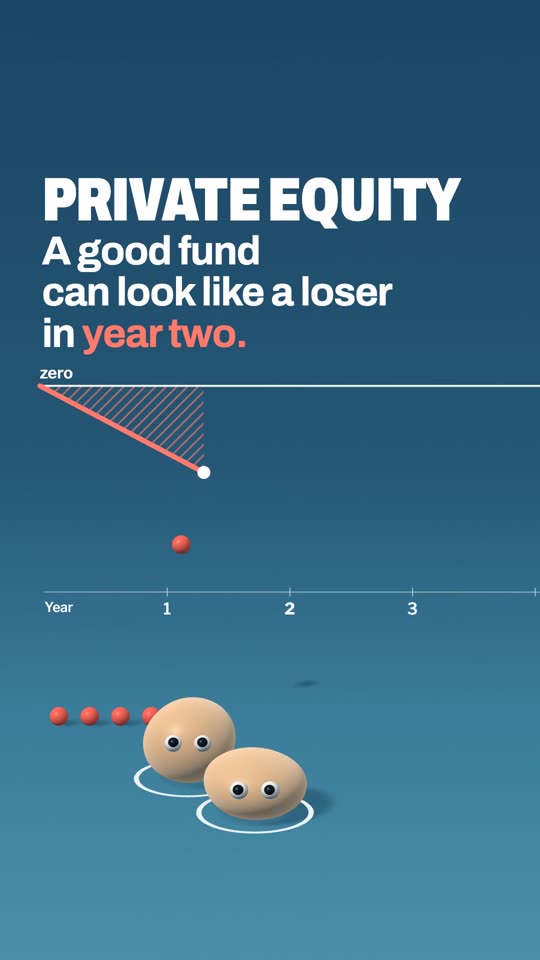
Fees and costs come before investments mature, so a fund’s early returns usually dip below zero before they climb, and red numbers in a young fund are expected rather than a verdict.
J-curve: The J-curve is the usual pattern where a fund’s reported returns dip below zero in its early years, because of fees and costs before investments mature, and then climb.
9.Vintage years
Funds that started in the same year invested in the same market conditions, so investors compare a fund with others of its vintage rather than with funds from another part of the cycle.
Vintage year: A fund’s vintage year is usually the year it first called capital or made its first investment. Funds are compared with others from the same vintage.
10.Where to go next
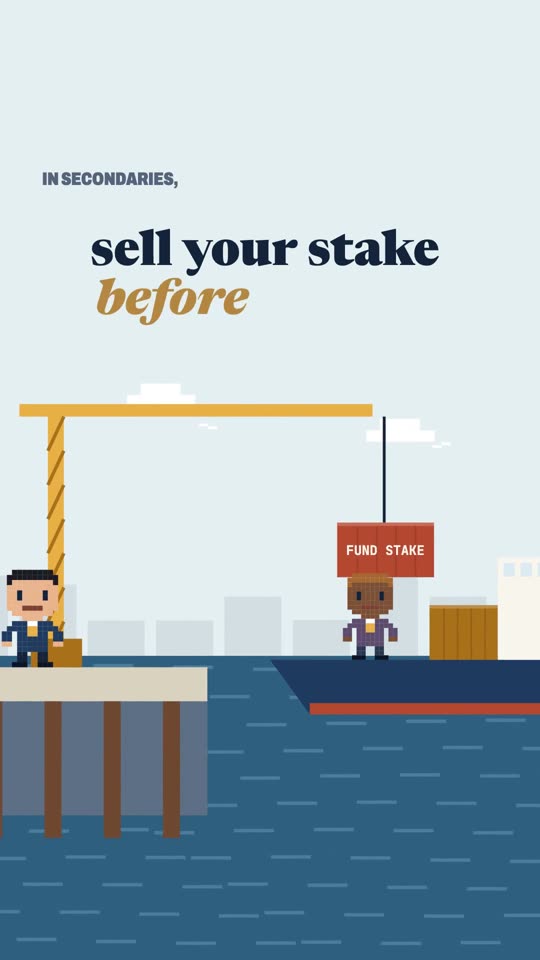
Private equity, private credit, venture capital, real estate and infrastructure each have a ten-step track of their own; and an investor who needs money back before a fund ends can sell the stake to another investor, which is what secondaries are, with a track of their own too.
Secondaries: Secondaries are the buying and selling of existing stakes in private funds, or of the assets inside them, after the original investment was made, rather than committing money to a new fund.
Also: LP-led secondary
- Private equity 101
How a private equity fund works, in ten steps: the LPA, capital calls, fees, carried interest, the waterfall, the J-curve, exits and wind-down.
- Private credit 101
How private credit works, in ten steps: direct lending, senior and junior debt, floating rates, covenants, asset-based finance, defaults, CLOs and NAV loans.
- Venture capital 101
Venture capital in ten steps: rounds and valuation, SAFEs, runway, the power law, liquidation preferences, down rounds, paper value and exits.
- Real estate 101
Private real estate in ten steps: core to opportunistic, cap rates, leases, loan-to-value, DSCR, ground leases, valuations, open-ended funds and exits.
- Infrastructure 101
Private infrastructure in ten steps: core to opportunistic, greenfield, concessions, availability payments, take-or-pay, power contracts and long-life funds.
- Secondaries 101
Secondaries in ten steps: LP-led and GP-led deals, NAV and discounts, deferred payments, unfunded commitments, continuation vehicles and tender offers.
- Private equity 101

Check yourself
0 of 5 answered
5 questions on the track. Pick an answer to see why.
Definitions, not advice. Your progress and quiz answers are kept in this browser only; nothing is sent anywhere.
See an error, or a step we should add?