Learn · Track · 10 steps
Real estate 101
How private real estate works, in ten steps: from what the asset class is to how investors are paid when a building is sold. Each step links to its glossary entry, with a short video or the ABCs of Real Estate picture book where we have one.
0 of 10 read
1.What private real estate is
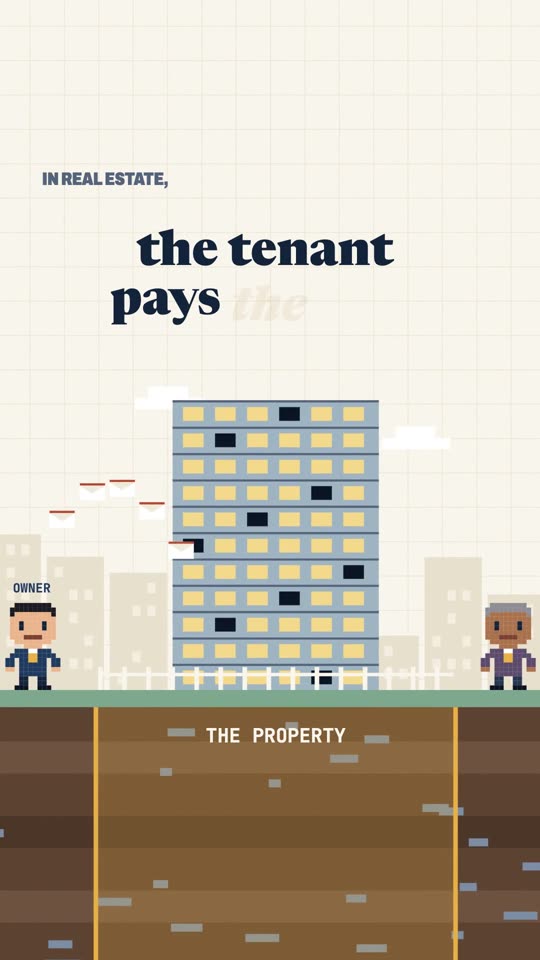
Real estate funds own buildings and land that earn rent from tenants, so investors are paid from leases while they hold and from any rise in value when a property is sold.
Real estate: Real estate, as an asset class, is investment in buildings and land, such as offices, rented homes, warehouses and shops, earning rent from tenants and any rise in value when a property is sold.
Also: Private markets
2.Core to opportunistic
The strategy label tells investors whether a fund mostly collects rent from stable buildings or fixes up, builds or rescues property for growth, and so roughly how much risk it takes.
Core, value-add and opportunistic: Core, core-plus, value-add and opportunistic are the usual labels for real estate and infrastructure strategies, from stable assets held for income to ones that need work, building or a turnaround and aim for more growth.
3.Cap rates and net operating income
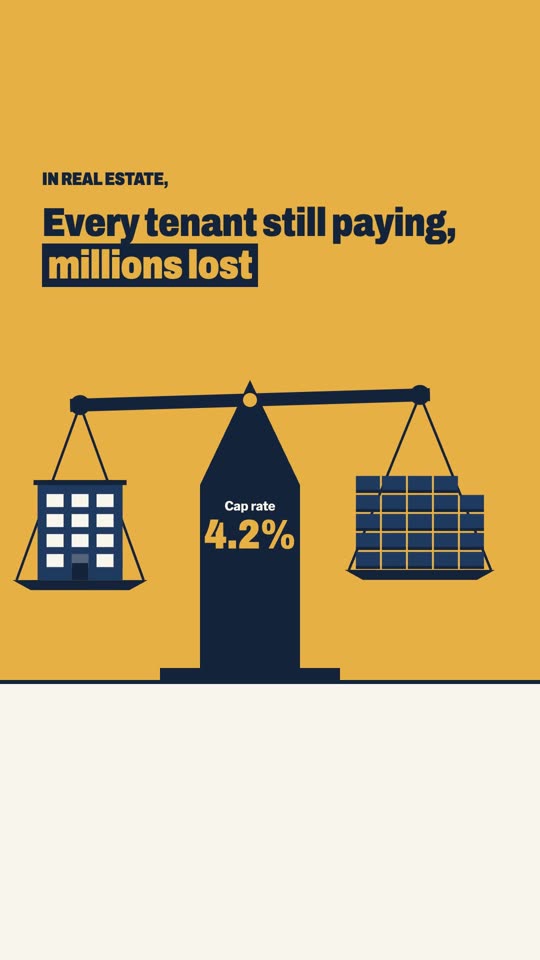
A building is usually priced off its net operating income divided by a cap rate, so a small move in cap rates can change its value a lot even when the rent stays the same.
Cap rate: A cap rate, or capitalization rate, is a property’s yearly net operating income divided by its value, and is the usual shorthand for how real estate is priced.
4.Leases and triple net
Leases set how much rent comes in, for how long and who pays the running costs, and a triple net lease makes the owner’s income steadier while leaning on one tenant.
Triple net lease: A triple net lease has the tenant pay the property’s taxes, insurance and maintenance on top of rent.
5.Borrowing against a building
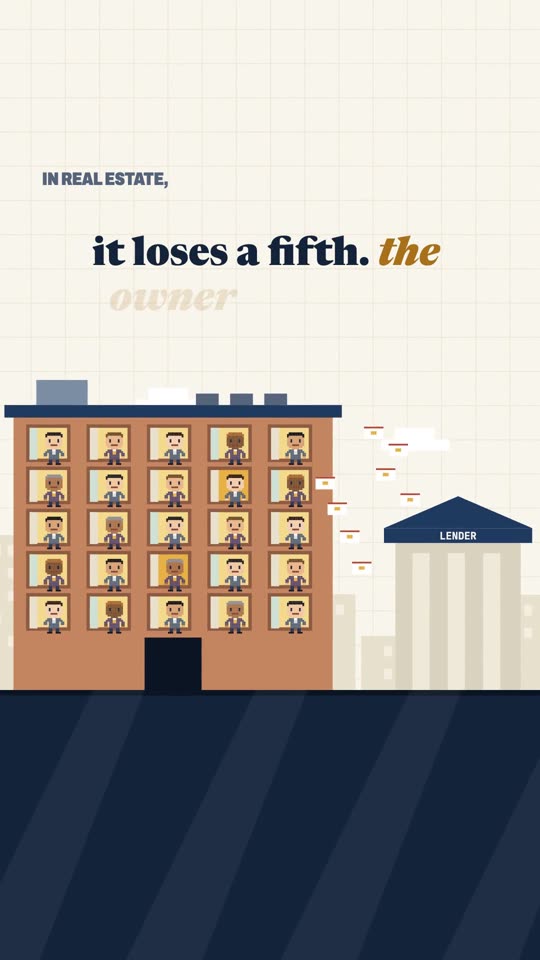
Property is often bought partly with a loan, and because the loan stays the same when values move, the owner’s own stake takes the whole of any fall.
Loan-to-value: Loan-to-value, or LTV, is a loan’s size as a share of what the property or asset behind it is worth.
6.Covering the loan payments
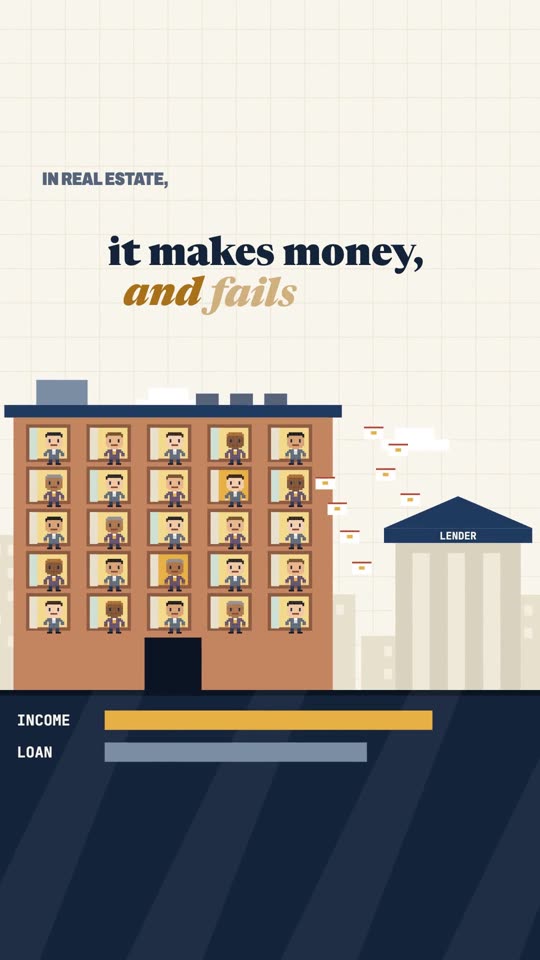
Lenders test whether a building’s income covers its loan payments with a cushion, and a building that makes money can still fail that test and see its cash restricted.
Debt service coverage ratio (DSCR): The debt service coverage ratio, or DSCR, divides an asset’s income by the payments due on its debt, showing how comfortably it can pay what it owes.
Also: Covenant
7.Ground leases
Owning a building on rented land takes less capital, but the rent and the years left on the lease affect what the building is worth and how easily it can be financed.
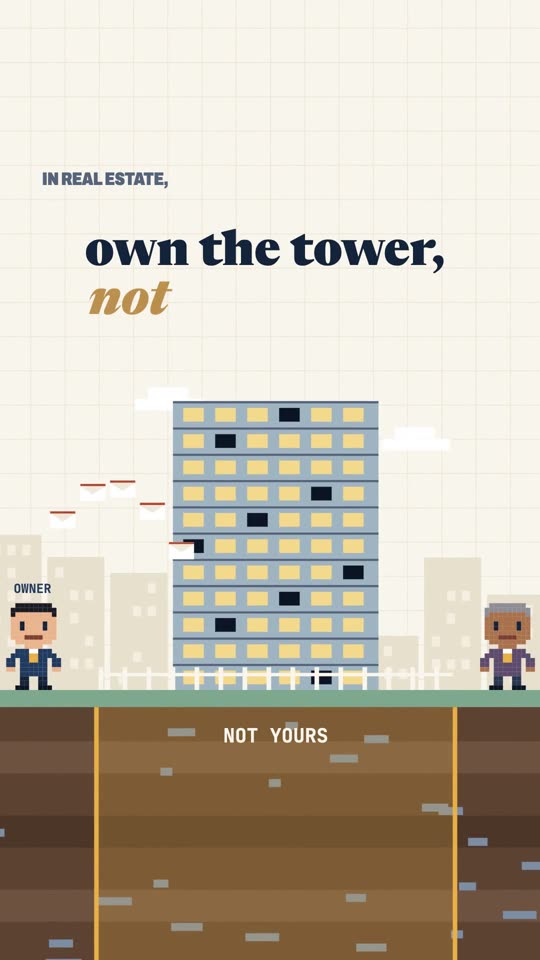
Ground lease: A ground lease is a long-term agreement to rent land, under which the tenant may own and use the building on it while someone else owns the ground.
8.How buildings are valued
Until a property is sold, its value in a fund is an estimate, often based on an appraisal, so investors’ statements rest on judgments that can lag the market.
Fair value: Fair value is what an asset would fetch in an orderly sale between willing buyers and sellers on the measurement day. Accounting standards require funds to report it.
Also: NAV
9.Closed-end and open-ended funds
Some real estate funds raise money once and sell their buildings over a set life, while open-ended funds have no end date and let investors in and out on a schedule, within limits.
Evergreen fund: An evergreen fund has no fixed end date and lets investors join and redeem on a regular schedule, often quarterly, instead of locking money up for a decade.
Also: Interval fund, Commitment
10.Selling and getting paid
Investors get their gains in cash when a building is sold, in the order the waterfall sets, so the price at exit and how long the fund held matter as much as the rent along the way.
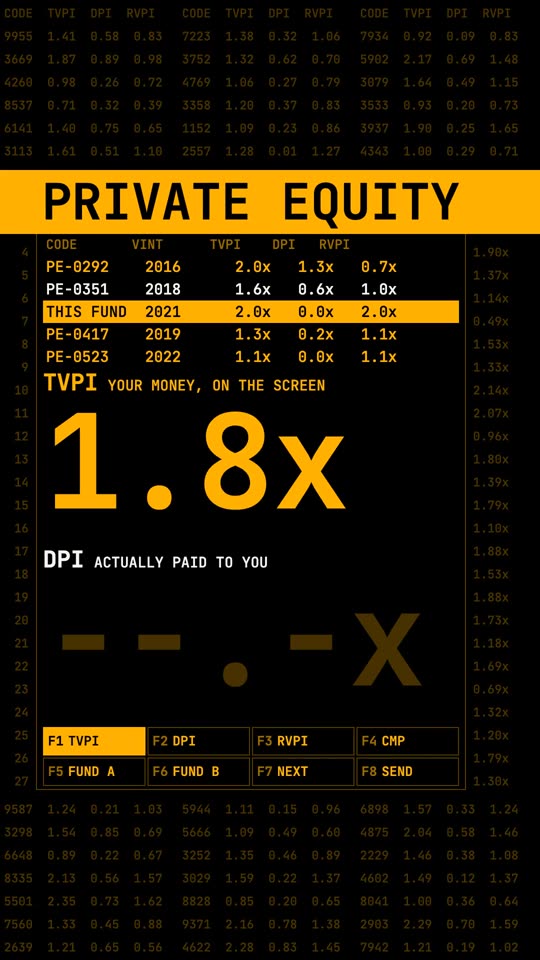
DPI: DPI, distributions to paid-in capital, divides the cash a fund has returned to investors by the cash they paid in. A DPI of 1.0x means they have their money back.
Also: Distribution waterfall, IRR

Check yourself
0 of 5 answered
5 questions on the track. Pick an answer to see why.
Definitions, not advice. Your progress and quiz answers are kept in this browser only; nothing is sent anywhere.
See an error, or a step we should add?