Learn · Track · 10 steps
Infrastructure 101
How private infrastructure works, in ten steps: from what the asset class is to how investors are paid from assets that can last for decades. Each step links to its glossary entry, with a short video or the ABCs of Infrastructure picture book where we have one.
0 of 10 read
1.What infrastructure is
Infrastructure funds own the long-lived assets behind essential services such as power, water, transport and data, so their income tends to be steadier than most businesses’ but rests on contracts and rules that can change.
Infrastructure: Infrastructure, as an asset class, is investment in the long-lived physical assets behind essential services, such as power, water, transport and data networks, which often earn steady income under contracts, concessions or regulated prices.
Also: Private markets
2.Core to opportunistic
A core fund holds mature, regulated assets with predictable income, while value-add and opportunistic funds take on more building and market risk for more growth.
Core, value-add and opportunistic: Core, core-plus, value-add and opportunistic are the usual labels for real estate and infrastructure strategies, from stable assets held for income to ones that need work, building or a turnaround and aim for more growth.
3.Greenfield and brownfield
Building a new asset from scratch can pay more than buying one that already runs, in exchange for permitting, construction and start-up risk before any revenue arrives.
Greenfield: A greenfield investment builds a new asset from scratch, such as a wind farm or data center on empty land, rather than buying one that already operates.
4.Concessions
Many roads, ports and airports are run under a concession from a government for a set term, so the years left on it set how long an investor can earn and what the rights are worth at the end.
Concession: A concession is a contract in which a government lets a private company build or run an asset, such as a road or airport, for a set period, while public ownership usually continues.
5.Demand risk and availability payments
Some assets earn more when more people use them, while others are paid for staying open and up to standard whatever the usage, which trades the upside for a government’s promise to pay.
Availability payment: An availability payment is what a public agency pays a private company for keeping a project open and up to standard, whatever its usage.
6.Take-or-pay contracts
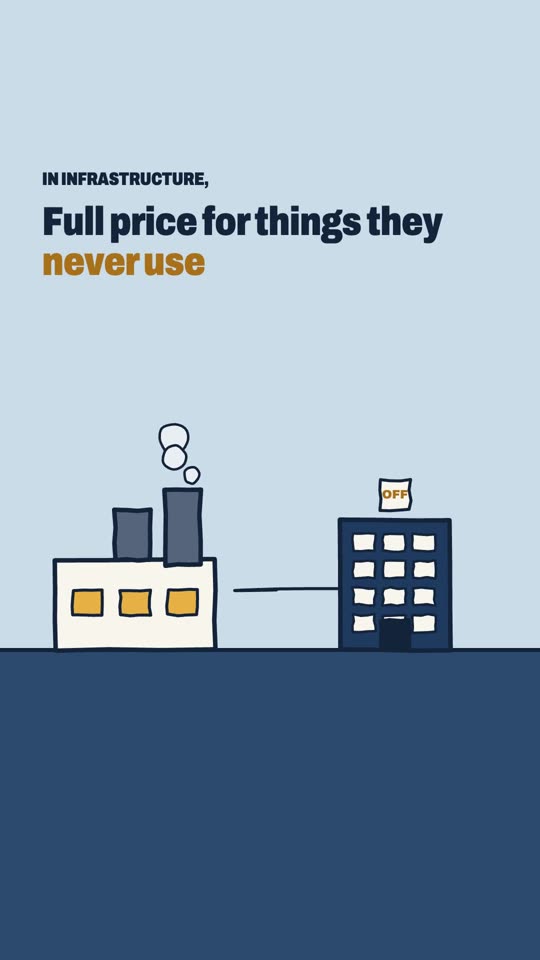
When a customer must pay for an agreed amount whether or not it uses it, the asset’s revenue no longer depends on demand, which helps owners borrow against it and makes the customer’s credit matter.
Take-or-pay contract: A take-or-pay contract requires a customer to pay for an agreed amount of a product or capacity, whether or not it actually uses it.
7.Power purchase agreements
A long contract to sell electricity at an agreed price gives a power project income it can show lenders before it is built, and that income is only as good as the buyer.
Power purchase agreement: A power purchase agreement, or PPA, is a long-term contract under which a generator sells electricity to a buyer at an agreed price.
8.How the assets are valued
Until an asset is sold, its value in a fund is the manager’s estimate, and for an asset run under a concession the years left on it weigh on that value as the end date nears.
Fair value: Fair value is what an asset would fetch in an orderly sale between willing buyers and sellers on the measurement day. Accounting standards require funds to report it.
Also: NAV
9.Long-life and open-ended funds
Because bridges, pipes and networks last for decades, some infrastructure funds have no fixed end date and let investors in and out on a schedule, instead of selling every asset within a set fund life.
Evergreen fund: An evergreen fund has no fixed end date and lets investors join and redeem on a regular schedule, often quarterly, instead of locking money up for a decade.
Also: Commitment
10.Cash along the way and the J-curve
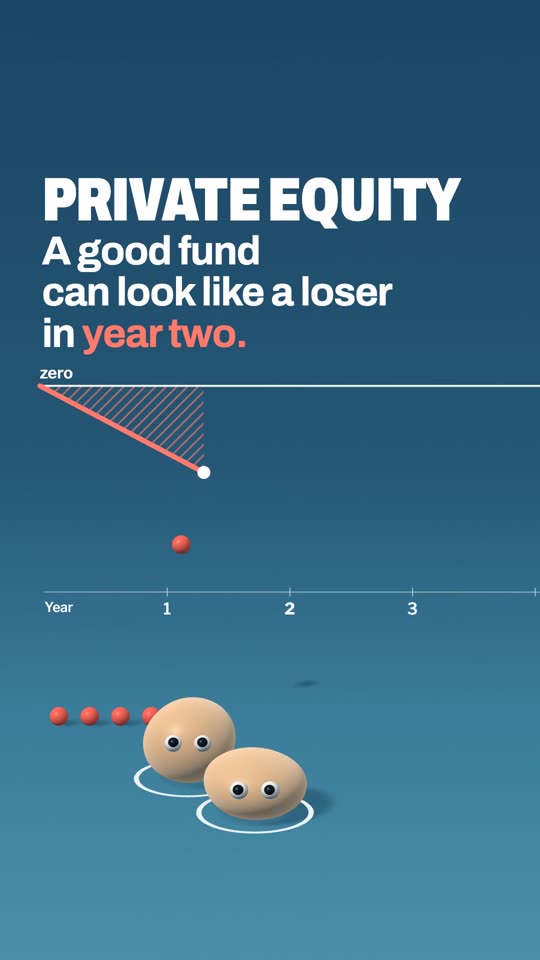
Operating assets can pay investors cash along the way, while new builds may earn nothing for years, so a fund’s mix of the two shapes how deep its J-curve is and when money comes back.
J-curve: The J-curve is the usual pattern where a fund’s reported returns dip below zero in its early years, because of fees and costs before investments mature, and then climb.
Also: DPI





Check yourself
0 of 5 answered
5 questions on the track. Pick an answer to see why.
Definitions, not advice. Your progress and quiz answers are kept in this browser only; nothing is sent anywhere.
See an error, or a step we should add?