Learn · Track · 10 steps
Private equity 101
How a private equity fund works, in ten steps: from what the fund is to the day it winds down. Each step links to its glossary entry, with a short video or a picture book where we have one.
0 of 10 read
1.What a private equity fund is
Investors commit money to a fund that a general partner runs, so the GP is who they are really backing, and their commitment is a promise to pay, not cash handed over at once.
General partner: A general partner, or GP, is the firm that runs a fund, makes its investment decisions and carries legal responsibility for it. The term is also used for the manager.
Also: Limited partner, Commitment
2.The LPA
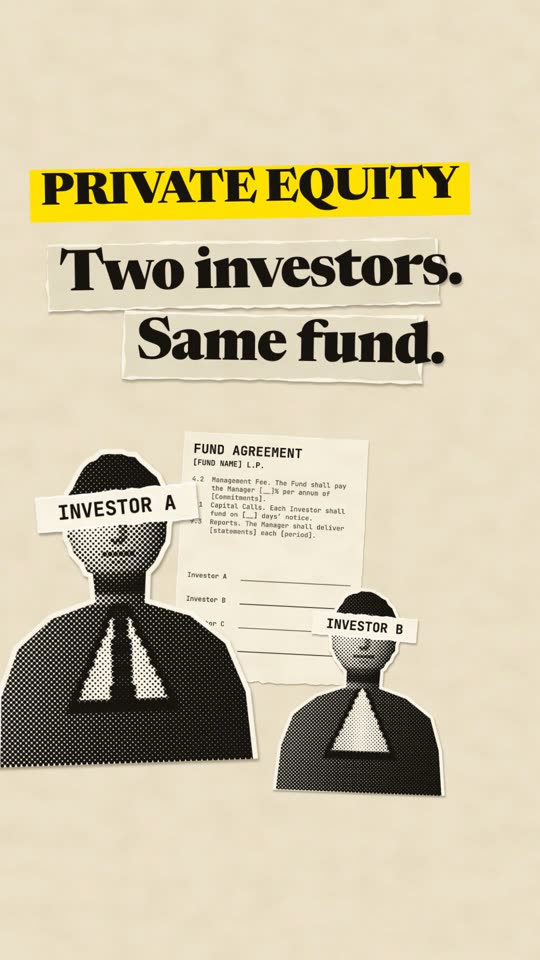
The LPA sets the fees, the carry, the investment limits and everyone’s rights, so almost every argument about a fund’s terms ends in this document.
LPA: The limited partnership agreement, or LPA, is a private fund’s main contract. It sets the fees, carry, investment limits and the rights of the manager and the investors.
Also: Side letter
3.Capital calls
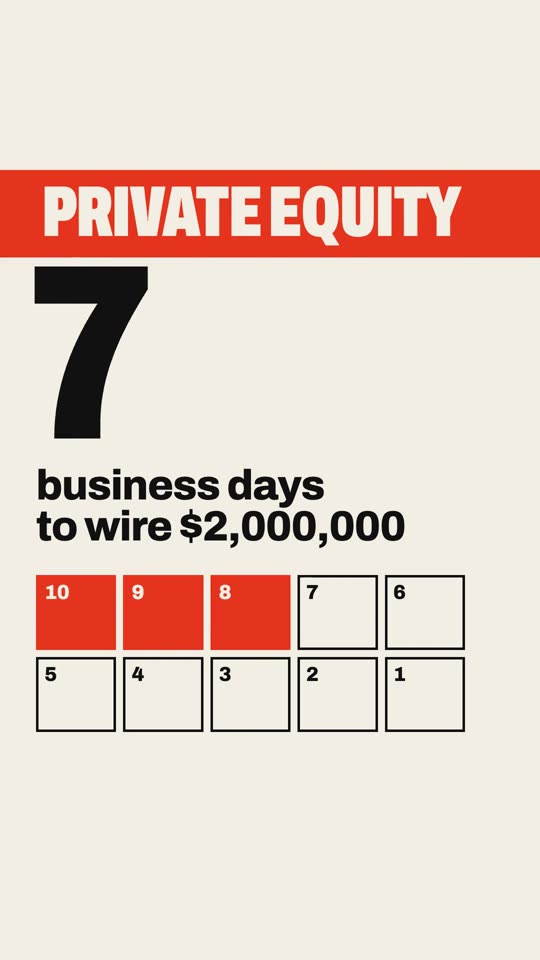
A fund draws its investors’ money in stages when it needs it, so investors have to keep cash ready, and a missed call can carry penalties.
Capital call: A capital call is a notice asking investors to send part of their commitment, usually a week or two before the money is needed. It is also called a drawdown.
Also: Subscription line
4.Management fees
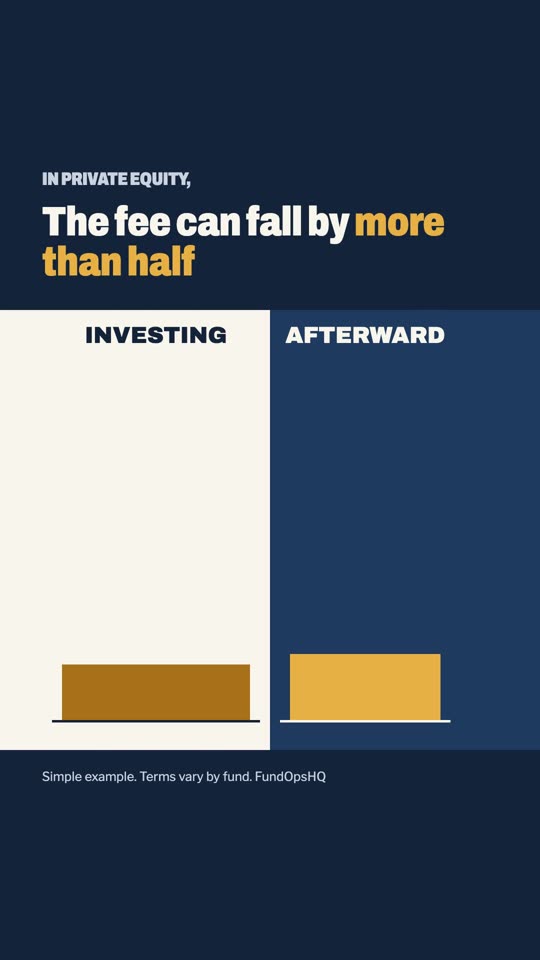
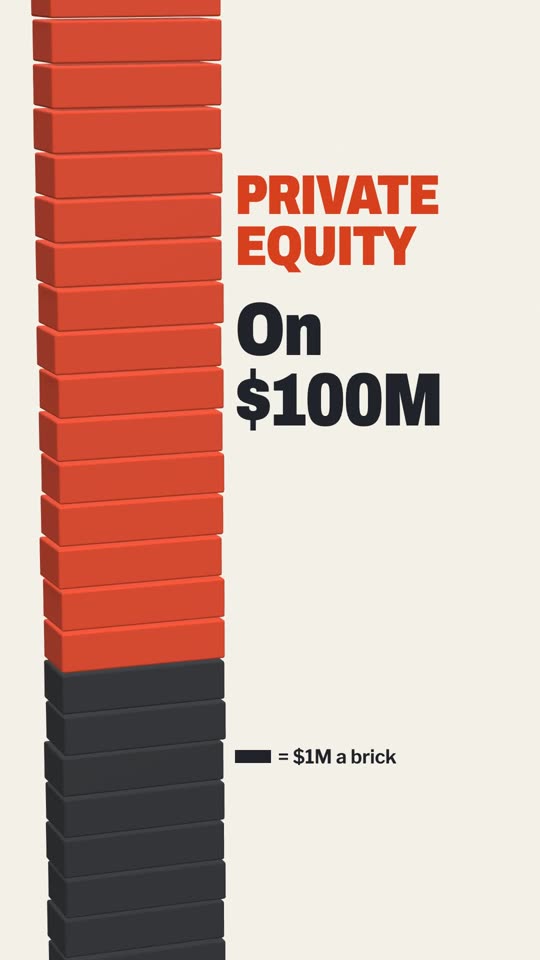
The management fee pays the manager’s costs whether or not the fund makes money, so it is the first term investors compare across funds.
Management fee: The management fee is the annual charge investors pay a manager to run a fund, often 1% to 2% of committed capital during the investment period.
5.Carried interest
Carry is the manager’s main reward for performance, paid only after investors get their money back and clear the preferred return.
Carried interest: Carried interest is the share of a fund’s profits, typically 20%, that the manager earns after investors get their money back and clear the preferred return.
Also: Hurdle rate
6.The distribution waterfall
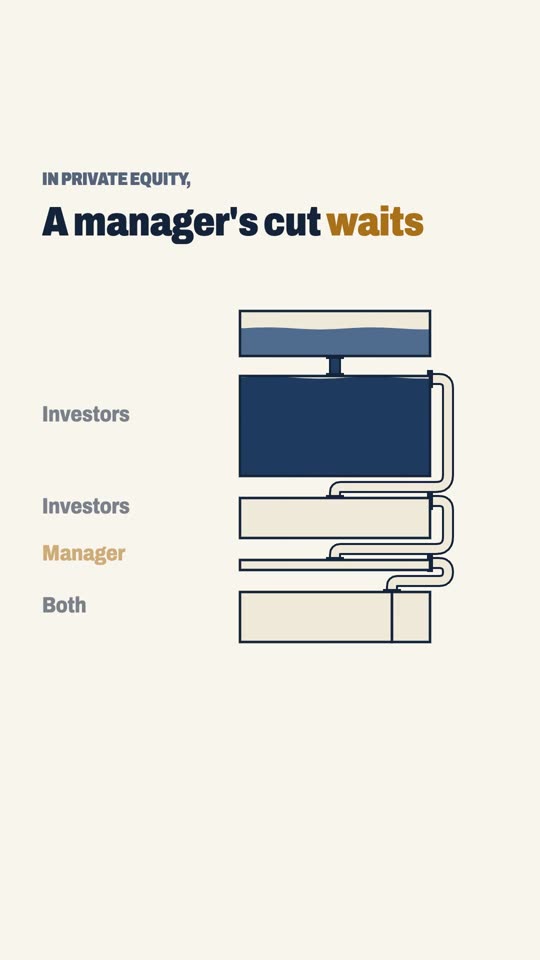
The waterfall sets the order in which a fund pays out, so it decides who gets paid first and when the manager’s carry actually starts.
Distribution waterfall: A distribution waterfall is the order a fund pays out proceeds: investors’ capital, then the preferred return, then the manager’s catch-up, then the split of what remains.
7.The J-curve
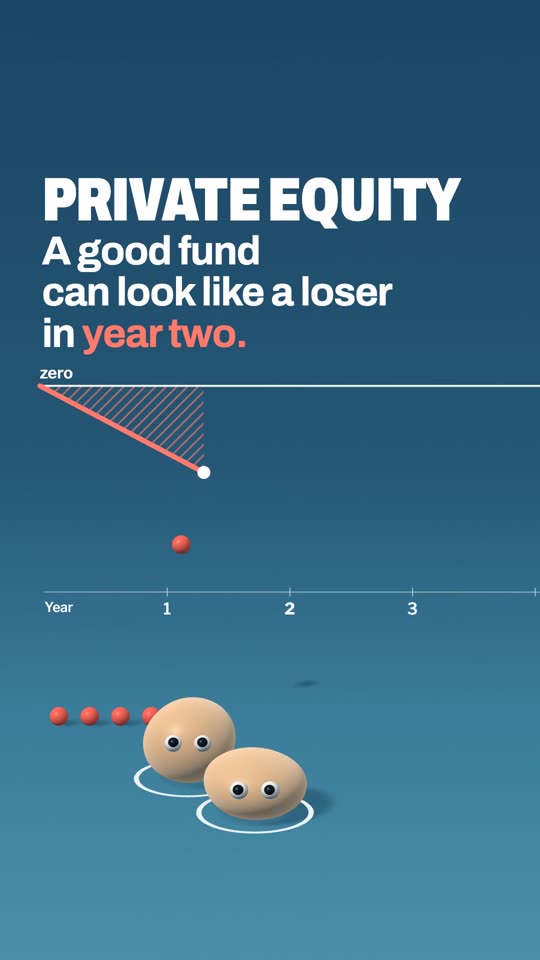
Fees and costs come before investments mature, so a fund’s early returns usually dip below zero, and early red numbers in a young fund are expected rather than a verdict.
J-curve: The J-curve is the usual pattern where a fund’s reported returns dip below zero in its early years, because of fees and costs before investments mature, and then climb.
Also: Vintage year
8.Holding and growing a company
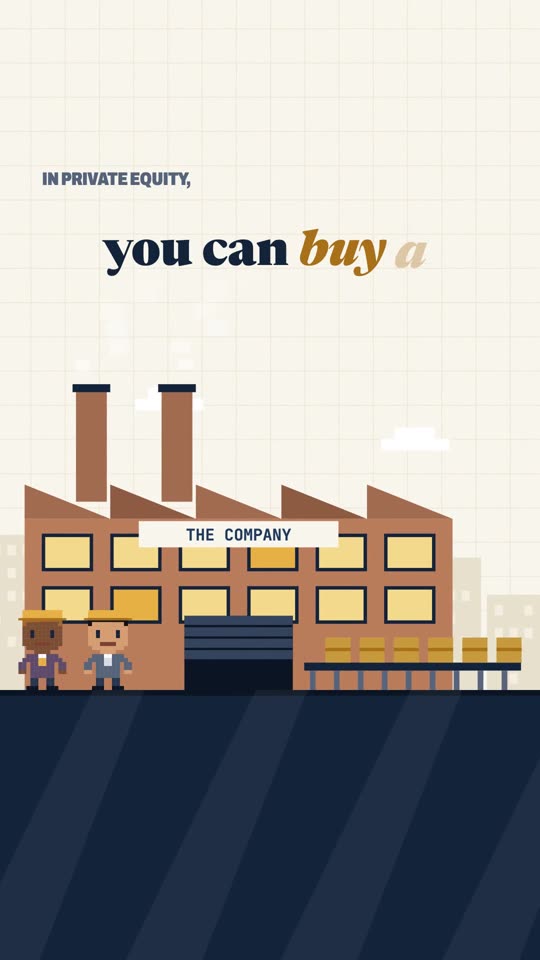
A buyout fund makes its return by owning companies and growing them, often bought with borrowed money, and that debt magnifies gains when a deal goes well and losses when it does not.
Leveraged buyout: A leveraged buyout, or LBO, buys a company using mostly borrowed money, with the company’s own assets and cash flow backing the debt.
Also: Platform company, Add-on acquisition, EBITDA
9.Exits and distributions
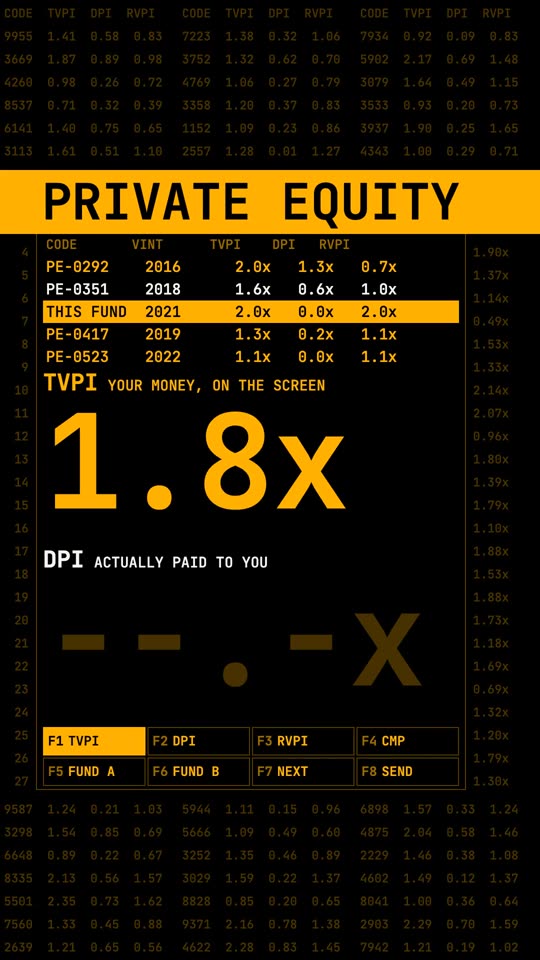
Value becomes cash investors can spend only when a company is sold and the fund pays out, which is why DPI carries more weight as a fund ages.
DPI: DPI, distributions to paid-in capital, divides the cash a fund has returned to investors by the cash they paid in. A DPI of 1.0x means they have their money back.
10.Fund life and wind-down
After the investment period a fund mostly manages and sells what it holds; a continuation vehicle is one way a manager keeps its best assets longer, and it raises the question of who set the price.
Investment period: The investment period is the first years of a fund, often about five, when the manager can make new investments. Afterward it mostly manages and sells what it holds.
Check yourself
0 of 5 answered
5 questions on the track. Pick an answer to see why.
Definitions, not advice. Your progress and quiz answers are kept in this browser only; nothing is sent anywhere.
See an error, or a step we should add?