Learn · Track · 10 steps
Venture capital 101
How venture capital works, in ten steps: from what a venture fund is to how its investors are finally paid. Each step links to its glossary entry, with a short video or the ABCs of Venture Capital picture book where we have one.
0 of 10 read
1.What venture capital is
Venture funds usually buy minority stakes in young companies that could grow very large, so investors are backing a manager’s judgment of startups and wait years for any return.
Venture capital: Venture capital is investment in young companies that could grow very fast, in return for a share of their equity, usually a minority stake, made through funds that back many startups expecting only a few to succeed.
Also: General partner, Limited partner
2.How a venture fund works
Like other private funds, a venture fund calls its investors’ commitments over time, charges a yearly management fee and pays the manager carried interest, a share of the profits.
Carried interest: Carried interest is the share of a fund’s profits, typically 20%, that the manager earns after investors get their money back and clear the preferred return.
Also: Management fee, Commitment
3.Rounds and valuation
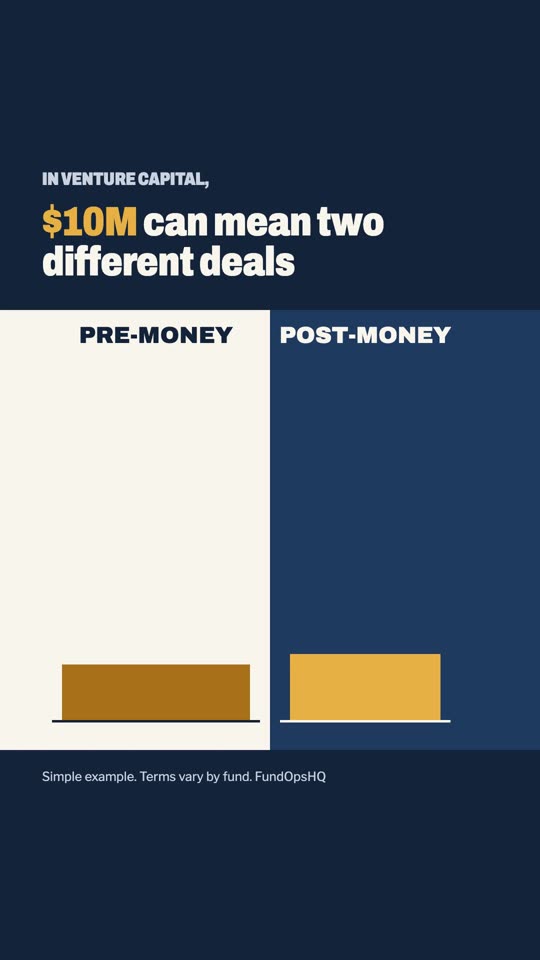
Startups raise money in rounds, from seed to Series A and beyond, each at a valuation, and whether that price is quoted before or after the new money changes how much the investor owns.
Pre-money and post-money: Pre-money valuation is what a company is worth before new investment, and post-money valuation is that figure plus the new money.
4.SAFEs and convertible notes
A SAFE, like a convertible note, lets a startup raise money now and settle the price at a later round, which is quick, though the final ownership split may not be clear until then.
SAFE: A SAFE, or simple agreement for future equity, lets an investor give a startup money today in return for the right to receive shares in a later funding round.
5.Burn rate and runway
Runway, a startup’s cash divided by its monthly burn, sets when it has to raise again, and a short one can force a raise at a lower price.
Runway: Runway is how long a company can operate before its cash runs out: its cash divided by its monthly burn rate.
6.Why a few winners carry a fund
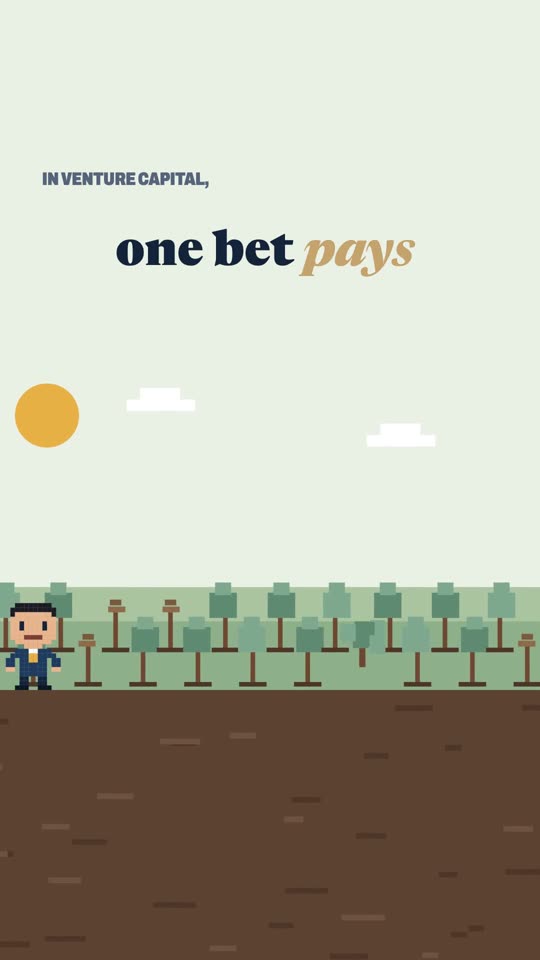
A very small number of investments usually produce most of a venture fund’s gains, which is why investors look for companies that could become very large, and why one missed winner can matter more than several failures.
Power law: The power law describes how venture returns are distributed: a very small number of investments usually produce most of a fund’s gains, while many others return little or nothing.
7.Liquidation preferences
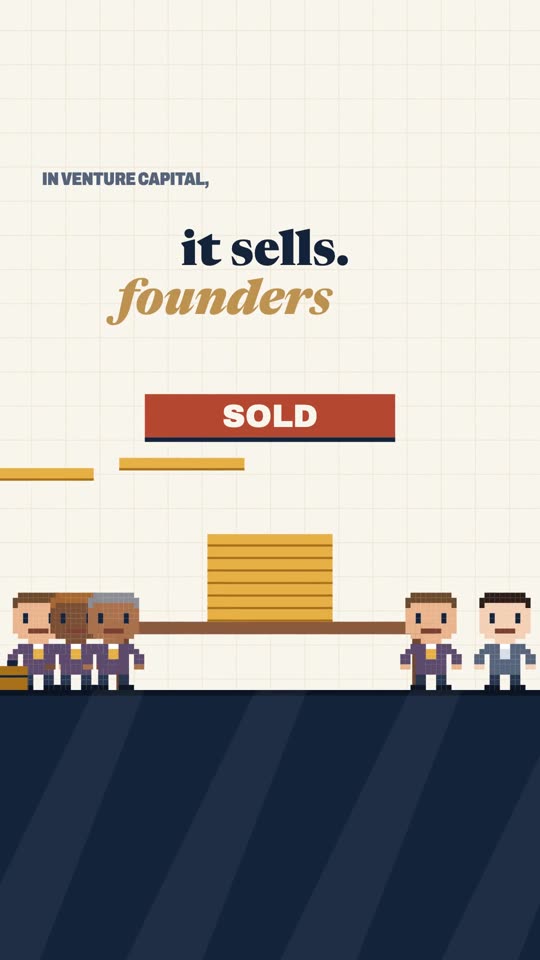
Preferred investors usually get their money back first when a company is sold, which protects them in a modest sale and can leave founders and employees with little.
Liquidation preference: A liquidation preference gives certain investors, usually holders of preferred shares, the right to get their money back ahead of common shareholders when a company is sold or wound up.
8.Down rounds and anti-dilution
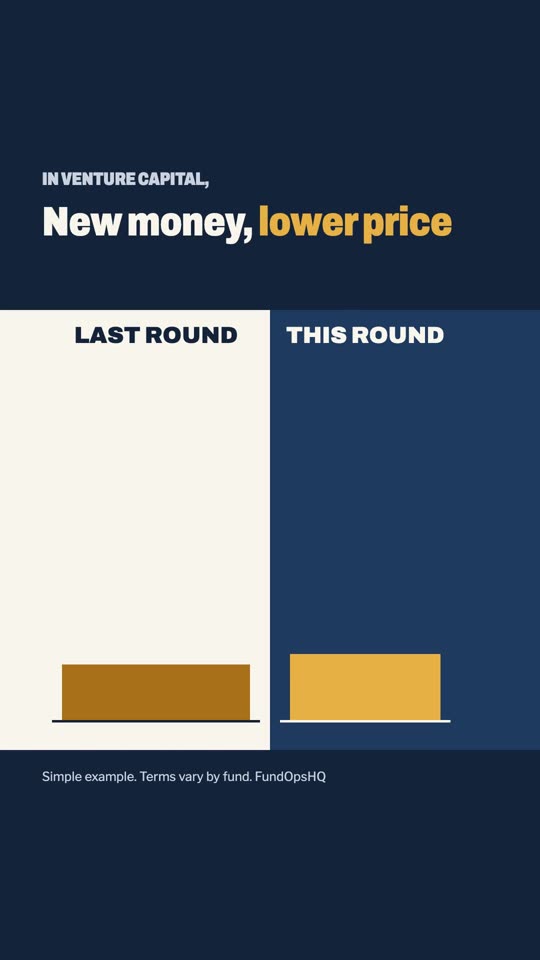
A round priced below the last one dilutes earlier investors and founders, and anti-dilution protection shifts much of that cost from preferred investors onto common holders.
Down round: A down round is a funding round for a startup at a lower valuation than its previous round.
Also: Anti-dilution
9.Paper value and cash back
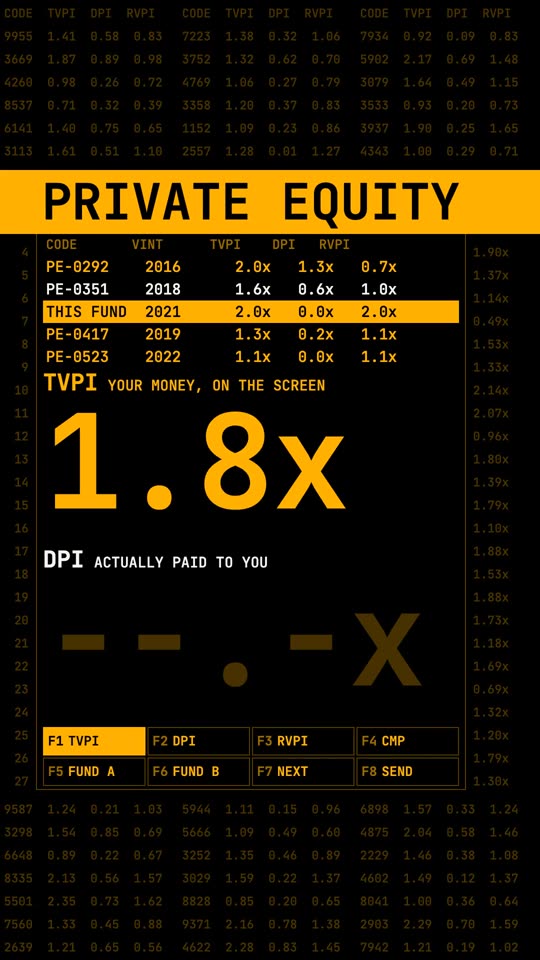
Much of a young venture fund’s value rests on the manager’s own valuations of private startups, so investors watch how much cash has actually come back as the fund ages.
TVPI: TVPI, total value to paid-in capital, adds the cash a fund has already returned to the value it still holds, then divides by the money investors paid in.
10.Exits and early liquidity
Investors are paid when a startup is bought or lists on a stock market, which can take many years, so tender offers and secondary sales offer ways to get some cash out sooner.
Tender offer: A tender offer is a bid made directly to holders to buy their shares or fund interests at a stated price within a set time window.
Also: LP-led secondary
Check yourself
0 of 5 answered
5 questions on the track. Pick an answer to see why.
Definitions, not advice. Your progress and quiz answers are kept in this browser only; nothing is sent anywhere.
See an error, or a step we should add?