In this lesson
- Terms: IRR, MOIC, TVPI, NAV, J-curve
- To work through: a worked example, a 20-second film, 3 check questions
Underlined terms show their definition when you rest on them or tap them.
IRR, the internal rate of return, is the discount rate that makes the present value of all a fund’s cash flows, in and out, add up to zero. In plainer words: the steady yearly return that would turn the money investors paid in, on the dates they paid it, into what they got back, on the dates they got it.
Because it counts time, IRR rewards speed. The same profit earned in fewer years is a higher IRR, and money returned early weighs heavily. That is why a quick early sale can lift a fund’s IRR for years, and why IRR and multiples are read together.
Before a fund has sold everything, its IRR is an interim figure: the calculation treats the current NAV as if it were paid out today. So an interim IRR carries the same valuation risk as RVPI. Benchmark IRRs for funds that are still running are usually calculated the same way.
A high IRR on a small, fast win can matter less to an investor than a lower IRR on a large multiple earned over more years. IRR does not show how much was made in total. Investors ask both: how fast, and how much.
$100 million goes in at the start; $150 million comes back in one payment. Both cases are 1.5x.
| Paid back after 2 years | IRR about 22% |
|---|---|
| Paid back after 4 years | IRR about 11% |
Same multiple, half the IRR: doubling the time halves the yearly rate, roughly. Simple example: real funds have many cash flows.
Key takeaway: why it matters to investors
IRR is the figure most often put in front of investors, and the easiest to move with timing. Knowing that it rewards speed, and that before the end it rests on NAV, is what keeps a reader from comparing a fast small win with a slow large one as if they were the same.
Watch · 20 seconds
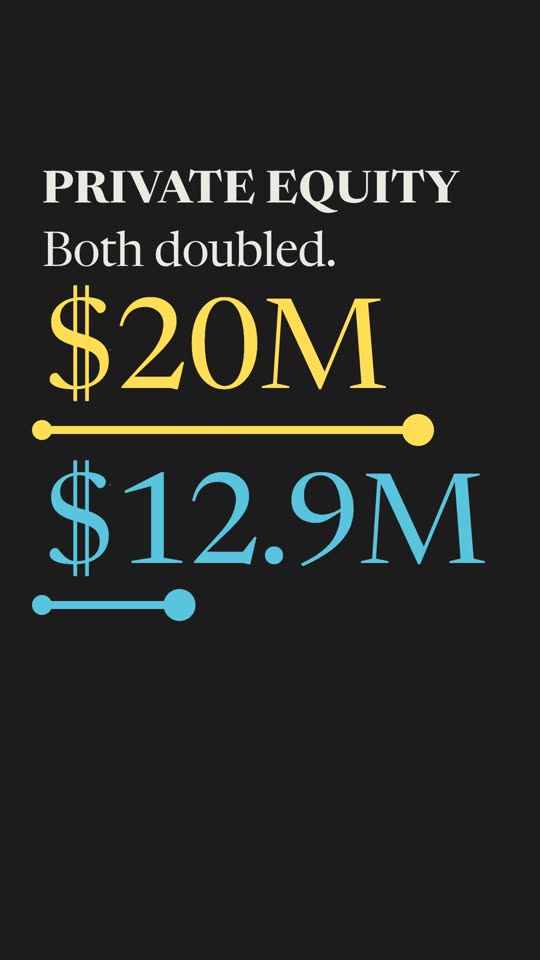
Both doubled your money. One was far better.MOIC is how much. IRR is how fast. $10M to $20M is 2.0x either way, but 26% a year over three years and 7% over ten.
Check yourself
0 of 3 answered
Pick an answer to see why. Answer all 3 to finish the lesson.
3 questions left to finish the lesson.
Sources
The facts in this lesson were checked against these public pages on November 10, 2026. Examples use round invented numbers. Simple examples; terms vary by fund.
- Understanding private equity performance (July 2026), Wellington Management. IRR as the discount rate that makes the net present value of all cash flows zero, weighting timing; TVPI (which it also calls MOIC) as realised plus unrealised value over invested capital; DPI as distributed over called capital; holdings often carried near cost early on.
Definitions, not advice. Your answers are kept in this browser only.
See an error in this lesson?